Addressing Oil and Gas Sector Methane Emissions in Iraq
Project description
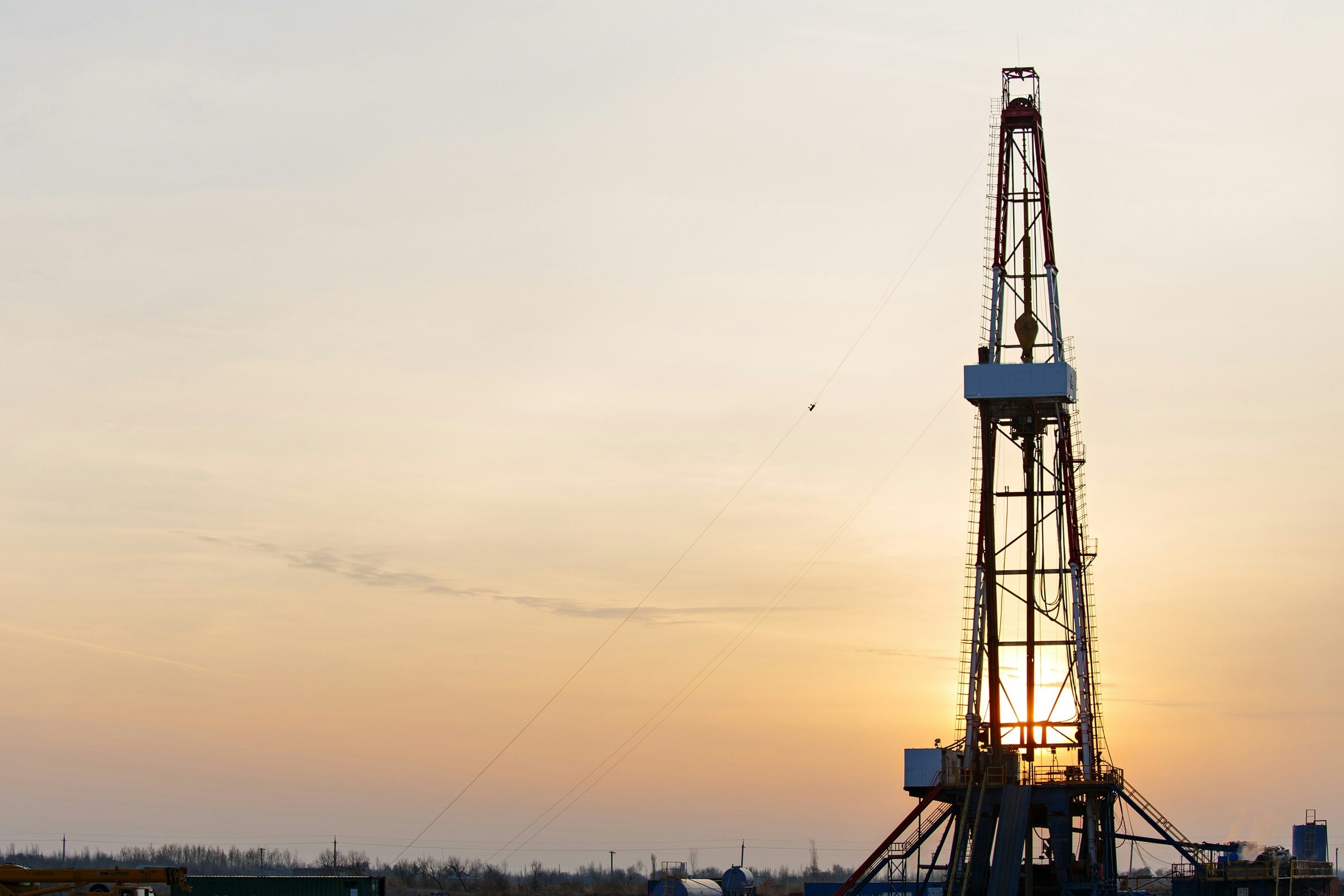
Many emissions in Iraq's oil and gas sector have historically been difficult to identify, measure, and address. Limited visibility into major emission sources, combined with the scale and complexity of the country's oil and gas infrastructure, created challenges for operators and policymakers seeking to prioritize effective mitigation actions.
To address this challenge, ICA-Finance (consortium lead), GHGSat, and Carbon Limits, supported by the World Bank's Global Flaring and Methane Reduction Partnership, worked with the Iraqi Ministry of Oil to deliver an integrated methane management program. The project combined satellite monitoring with on-the-ground measurement campaigns at oil and gas facilities across Iraq, allowing teams to identify major methane sources, investigate super-emitter events, and improve quantification of facility-level emissions. The monitoring results were used to strengthen methane inventories, validate emissions estimates, and identify practical opportunities for methane reduction.
Beyond measurement, the project developed and evaluated a portfolio of mitigation opportunities ranging from low-cost operational improvements to larger infrastructure investments, which were developed into investment-ready concepts for emissions reductions. Throughout the project, the team delivered hands-on training and capacity building for Iraqi stakeholders to enable long-term capacity to independently monitor emissions, respond to methane events, improve emissions reporting, and prioritize future methane reduction investments. By combining advanced monitoring technologies with field-based investigations and strengthening local expertise, the project established a stronger foundation for methane action in Iraq—providing better data, clearer mitigation pathways, and enhanced institutional capacity to reduce emissions across the oil and gas sector.
Clients

Partners
The team